
Diversification in Debt Collection: What’s Working for CMS
Growth at Capital Management Services has meant taking a closer look at what we already do well and finding more ways to put that experience to work.
We’ve spent years building teams, improving our technology, and learning how to support the needs of our financial institution clients. Over time, we saw opportunities for diversification in debt collection that would allow us to take on work beyond traditional third-party collections.
And we’ve been putting those opportunities to the test.
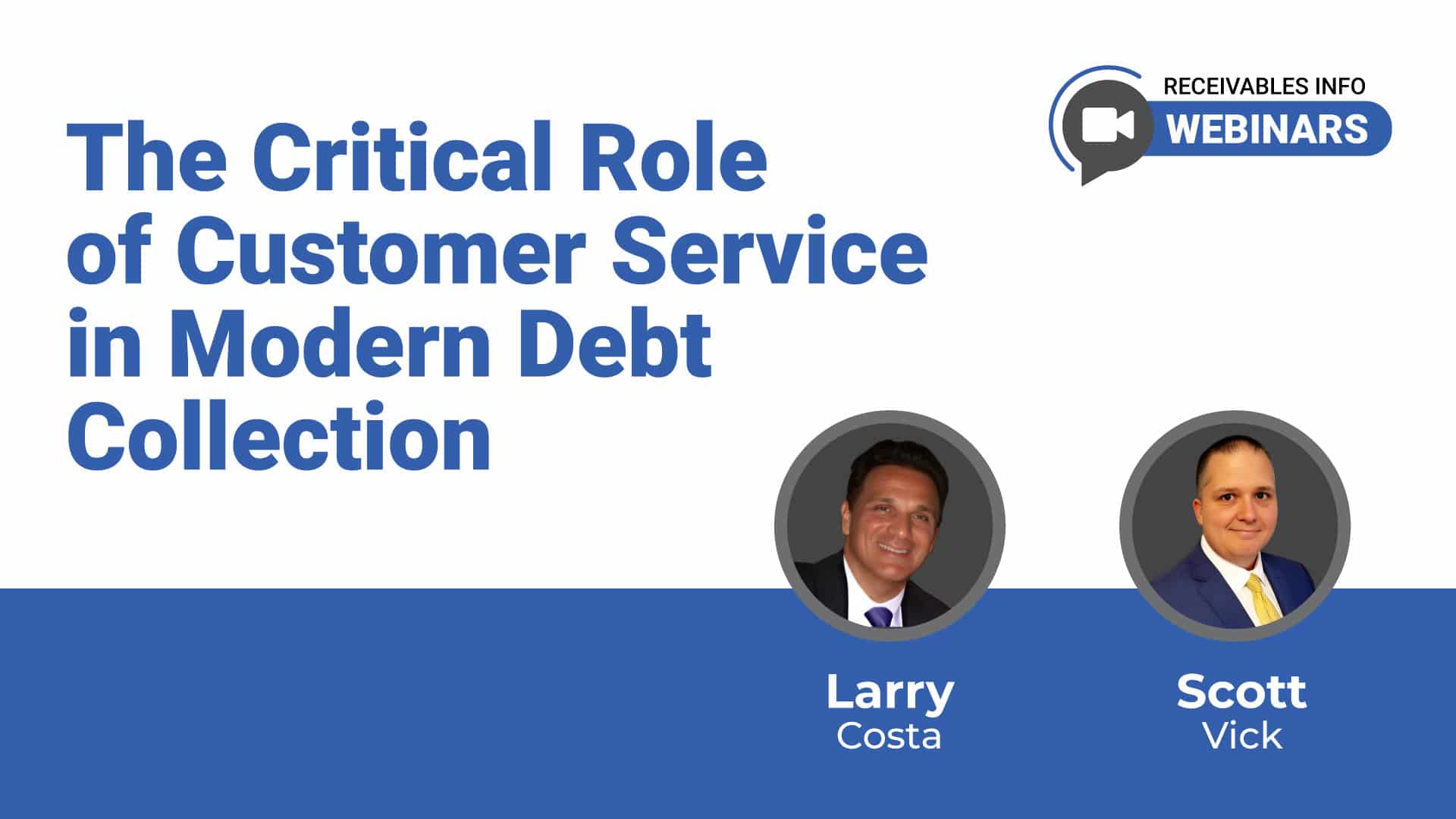
Our President, Larry Costa, recently joined Adam Parks on Receivables Podcast to talk about what we’ve learned, where we’ve seen results, and what we’re doing differently as our business grows.
Finding More Ways to Support Our Clients
For us, diversification in debt collection has been about understanding what our clients need and figuring out where we can help.
That has led us to expand our first-party collections work and take on customer service outsourcing projects. Some opportunities have come through clients we already work with, which gives us a chance to build on relationships we’ve developed over the years.
But we know that being trusted with one service doesn’t automatically mean we’ll be trusted with another.
In the podcast, Larry talks about the challenge of convincing clients that we can handle additional responsibilities. We may already have a strong relationship, but that doesn’t mean the client knows everything we’re capable of doing.
We have to make the case for taking on the work, and then follow through.
That’s also why performance matters so much to our growth. When a client gives us an opportunity to handle something new, how we manage that assignment can influence whether they come back with another request.
Taking on Work That Looks a Little Different
Some of our newer assignments have asked us to approach collection agency staffing differently.
A client may need a large customer service team for a limited period. That means we have to think carefully about recruiting, training, remote work, and how the assignment fits into our existing operations.
Larry shares an example in the episode involving a loan servicing client that needed approximately 100 employees for 120 days. We supported the assignment with a remote team, and when it ended, another bank needed similar support.
That gave us an opportunity to move trained employees to another project rather than starting over with an entirely new team. The original client later returned with a request for 45 employees.
This experience taught us something useful about customer service outsourcing: the work may be temporary, but the experience employees gain doesn’t disappear when the assignment ends.
It also showed us why collection agency staffing needs to account for what happens after a project is completed. Having trained people available can make a difference when another opportunity comes along.
Keeping Technology and People in the Picture
We believe a strong digital platform is essential to our business. But we don’t expect every consumer to handle everything online.
Some people still need to speak with an experienced agent, and we want that option to be available when they need it.
Larry makes this point during the conversation when he says, “You gotta have a digital component… but you better have skilled people.”
He also discusses the next step for collection technology. We already collect information through calls, emails, texts, and other channels. The opportunity is to use that information to better understand what works and decide what to do next.
That’s where AI may be useful. Instead of simply adding more tools, we can look at how technology helps us make better decisions and supports our employees in their daily work.
Larry also talks about the challenges of working with older banking systems. Some financial institutions still rely on platforms that have been in place for years, which can affect how newer technology is used.
For us, improving our digital capabilities also means understanding the systems our clients work with.
Hear More About Our Experience on Receivables Podcast
We’ve learned a lot by taking on different types of work, and we’re continuing to look for opportunities that make sense for our clients and our team.
Our experience with collection agency staffing and customer service outsourcing has also changed how we think about growth. We look more closely at what our clients need, what our teams can handle, and what it will take to deliver.
Larry’s conversation with Adam covers the results of our diversification in debt collection strategy, including the business we’ve gained, the challenges we’ve worked through, and the role technology will play as we continue to grow.
We invite you to hear the full discussion: https://receivablespodcast.com/videos/collection-agency-diversification-results-costa/
Frequently Asked Questions
1. What should collection agencies consider before expanding into new services?
Agencies should look at their existing strengths, client needs, and the resources required to handle additional work. Diversification in debt collection can create new opportunities, but agencies must be prepared to deliver the service they promise.
2. How can collection agencies manage temporary customer service staffing needs?
Temporary customer service outsourcing projects require careful planning around recruitment, training, remote work, and supervision. Collection agency staffing also involves thinking about what happens when an assignment ends and whether trained employees can support other projects.
3. What role will AI play in the future of debt collection?
AI can help agencies analyze consumer communication patterns, identify useful next steps, and reduce routine administrative work. However, skilled employees remain important for handling questions and supporting consumers who prefer human assistance.